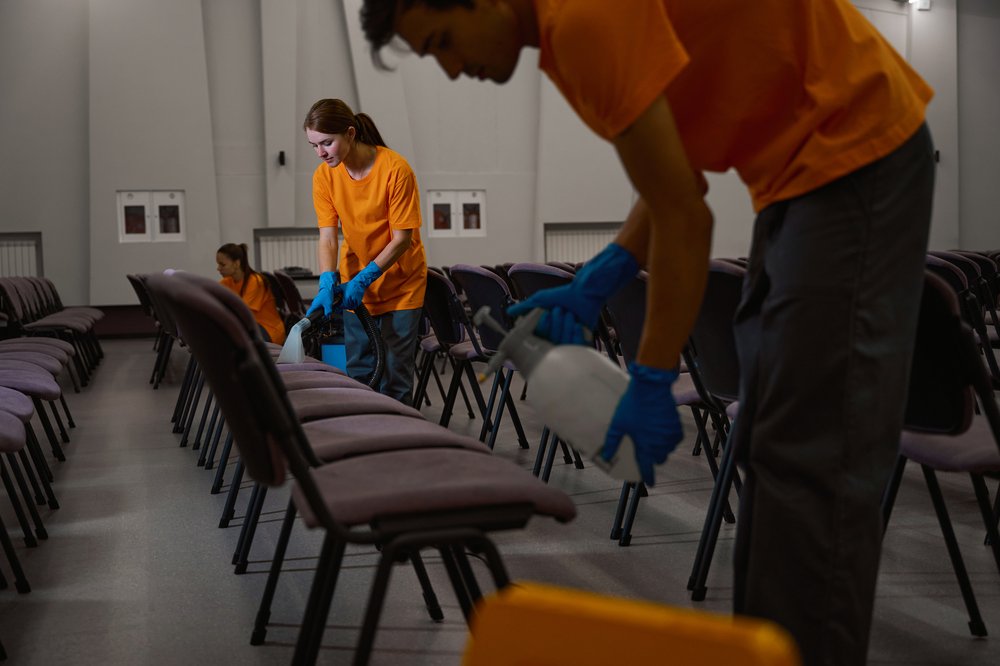
Churches & religious centers cleaning is an important part of creating a positive experience for congregants, visitors, and community members. As attendance levels, events, and activities vary throughout the week, religious facilities face unique cleaning challenges, some of which differ from that of commercial cleaning.
Understanding the role of church cleaning services NYC can help administrators and facility managers establish effective cleaning routines that align with the needs of their congregation. With the right approach, religious centers can remain welcoming, organized, and comfortable throughout the year.
Why Cleanliness Matters in Churches and Religious Centers
A clean environment contributes to a welcoming atmosphere where visitors and congregants can focus on worship, reflection, and community engagement. Since religious facilities host people of all ages, maintaining cleanliness throughout the property plays an important role in daily operations.
- Creates a positive first impression for guests and visitors
- Promotes comfort during worship services and events
- Helps maintain the appearance of the facility
- Contributes to a more pleasant environment for staff and volunteers
Many churches and religious centers serve as gathering places beyond weekly worship services. Community meetings, educational programs, youth activities, and special events can increase building usage and create additional cleaning requirements throughout the week.
- Accommodates varying attendance levels throughout the year
- Addresses the impact of frequent community events
- Helps manage cleanliness in shared spaces
- Maintains consistency across multiple facility areas
Recommended Cleaning Frequency for Religious Facilities
The ideal cleaning schedule for a church or religious center depends on attendance levels, facility size, and the number of weekly activities hosted on the property. Buildings that welcome large congregations multiple times per week typically require more frequent cleaning than facilities with limited schedules.
Regular cleaning helps maintain a welcoming appearance while addressing dirt, dust, and debris that naturally accumulate in high-traffic areas. A structured schedule also helps facility managers plan maintenance activities more effectively throughout the year.
Recommended frequencies may include:
- Daily attention for restrooms and entryways in heavily used facilities
- Cleaning worship areas before or after major services
- Weekly cleaning of classrooms, offices, and meeting rooms
- Post-event cleaning following community gatherings and celebrations
- Seasonal deep cleaning for carpets, upholstery, and hard-to-reach areas
Priority Action Areas
Not every space within a religious facility experiences the same level of traffic. Certain areas receive significantly more daily use and should remain a priority within any cleaning program.
Disinfection services in these spaces can improve the overall hygiene of the building while creating a more comfortable environment for visitors, staff, volunteers, and congregants.
Key areas that deserve additional attention include:
- Entrances, lobbies, and welcome centers
- Pews, chairs, and worship seating areas
- Restrooms and handwashing stations
- Fellowship halls and gathering spaces
- Classrooms, nurseries, and children's areas
- Kitchens and food preparation areas
- Stair railings, door handles, and other high-touch surfaces
- Administrative offices and meeting rooms
Cleaning Standards for Worship Spaces
Worship spaces require a careful and respectful cleaning approach. Sanctuaries frequently contain decorative elements, furniture, flooring materials, and religious items that require routine maintenance while preserving their appearance and condition.
Consistent cleaning helps manage dust, debris, and general wear while maintaining an organized environment for services and gatherings. Attention to seating areas, flooring, windows, and visible surfaces contributes to a polished appearance that reflects positively on the facility.
Best Practices for Church Cleaning Programs
An effective cleaning program begins with understanding how the facility is used throughout the week. Cleaning schedules should account for recurring services, educational activities, seasonal events, and special programs that may increase traffic in specific areas.
Communication between facility leadership and cleaning professionals is equally important. Regular evaluations of building usage and cleaning priorities can help create a cleaning plan that remains aligned with the evolving needs of the congregation and the property itself.
Give Your Congregation a Space that Reflects Care and Excellence
A clean worship environment creates a welcoming atmosphere for every visitor, volunteer, and congregant.
Contact us today to learn how Cleaning Master can help maintain your religious facility with customized cleaning solutions designed around your schedule and building requirements.
FAQs
How frequently should a church be professionally cleaned?
Cleaning frequency depends on attendance, events, facility size, and building usage, though weekly or multiple weekly visits are common.
Which areas of a church require the most cleaning attention?
Restrooms, entrances, seating areas, fellowship halls, classrooms, and high-touch surfaces typically require the most consistent attention.
Is professional cleaning beneficial for smaller religious facilities?
Yes, Professional cleaning can help maintain cleanliness standards regardless of facility size while reducing maintenance responsibilities.
Why are cleaning schedules important for churches?
Consistent schedules help maintain appearance, manage high-traffic areas, and create a welcoming environment for services and events.
Contact Us
Let Cleaning Master handle it for you. Do you need a quick refresh or a thorough deep clean? Our team is here to help.
Service Area
